

Small Kitchen Extension Ideas: Before and After
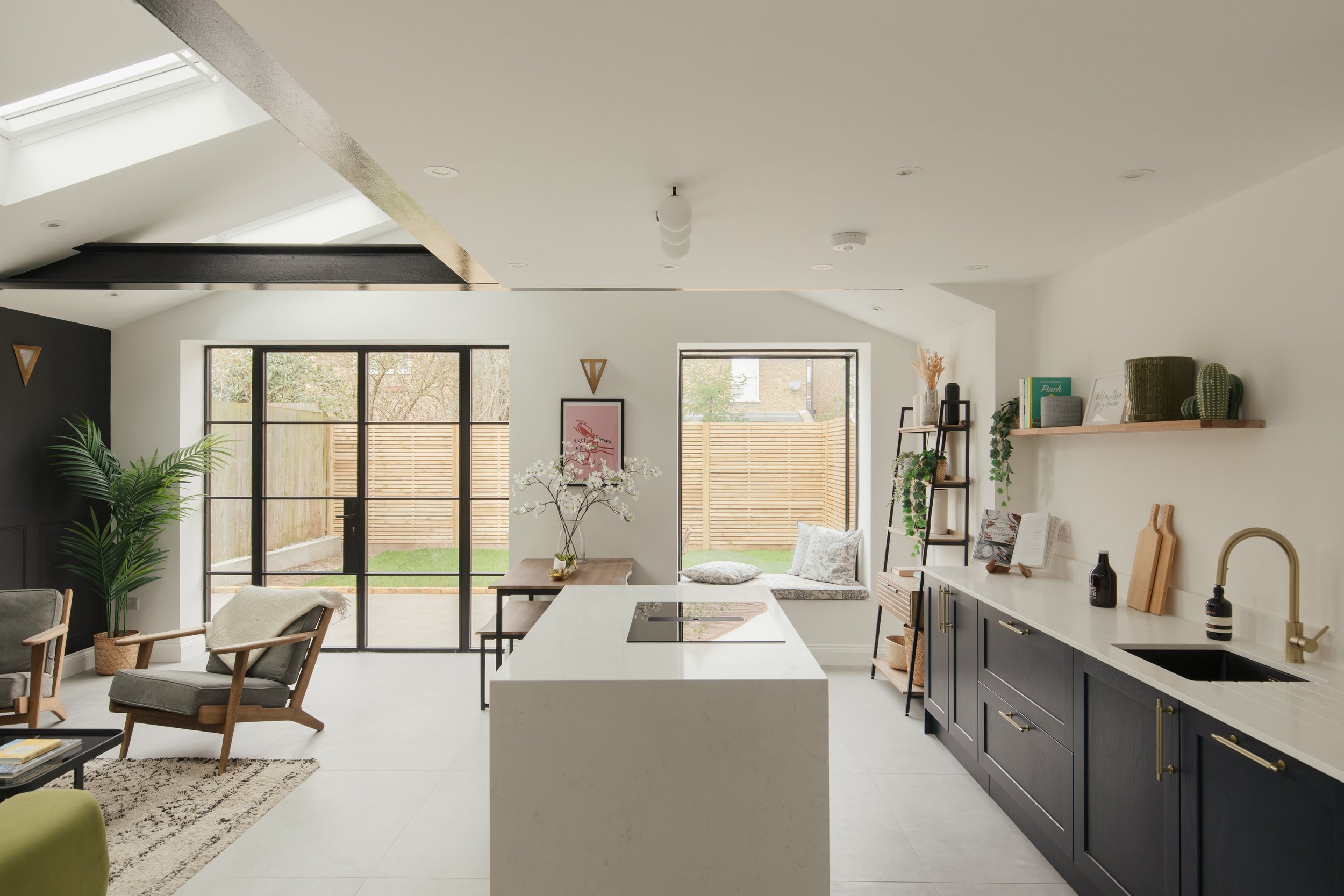
There’s usually no single moment when it happens.
One day the kitchen feels fine, and slowly, almost without noticing, it starts feeling tighter. Two people cooking at the same time becomes a bit of a shuffle. Counter space disappears quicker than it should. And you start working around the room instead of the room working for you.
Most homeowners don’t immediately think about changing it. You just adjust. Move things around. Make do.
But then small frustrations start adding up.
A rushed breakfast here. A crowded dinner prep there. Nothing major on its own, but enough to make you think, this space could probably work better. And that’s usually where the idea of extending the kitchen quietly starts forming.
Small Kitchen Extension Ideas UK Homeowners Usually Start With
Most people don’t begin with big construction plans. It starts in a much simpler way.
Letting in more natural light is often the first thought. Maybe opening the back of the kitchen slightly so the garden feels closer. Some imagine a small dining area where everyone can sit together instead of splitting between rooms.
These are the kinds of small kitchen extension ideas in the UK, that homeowners naturally lean towards at the beginning.
It’s rarely about making the kitchen huge. It’s more about fixing how it feels to live in it. Less cramped movement. More light. A bit of breathing space during everyday use. Even a small structural change can shift that feeling more than people expect.
Before the Extension – How Small Kitchens Actually Feel
Before anything changes, most small kitchens follow a similar pattern.
You move carefully without realising it. One person cooking means the other steps aside. Worktops fill up quickly, and there’s always that one corner where things temporarily live… and somehow stay there.
It’s not uncomfortable all the time. Just limiting in a quiet, constant way.
Even simple things like making tea or unloading groceries can feel slightly rushed. You start adjusting your habits to the space, instead of the space supporting your routine. And over time, that becomes normal, even if it shouldn’t have to.
Planning Stage – Where Ideas Start Getting Real
This is the stage where things slow down a bit.
Ideas are easy. Planning is where reality starts to come in.
You begin thinking about how much space is actually needed. Not just “more space,” but what kind of space. Should it open fully into the garden? Should it stay compact but more functional? What about budget, and how far it can realistically stretch?
There’s usually some hesitation here, and that’s completely normal.
Most homeowners don’t have clear answers at this point. They’re still shaping the idea, trying to understand what will actually improve daily life rather than just look better on paper. It’s not a rushed stage. It shouldn’t be.
After the Extension – How the Space Changes Daily Life
Once the work is done, the difference is usually felt before it’s even noticed.
The kitchen just feels easier.
Movement becomes natural again. You’re not constantly adjusting yourself around counters or people. Cooking doesn’t feel like a tight task anymore, it feels open, calmer.
Light often changes everything. If the extension opens towards the back or brings in larger windows, the space feels different throughout the day. Brighter mornings. Softer evenings.
Even small routines shift.
Making coffee feels less cramped. Cooking feels less interrupted. And for a while, you might even find yourself standing in the kitchen just noticing how different it feels to use.
Not bigger. Just better balanced.
What Makes a Small Kitchen Extension Actually Work
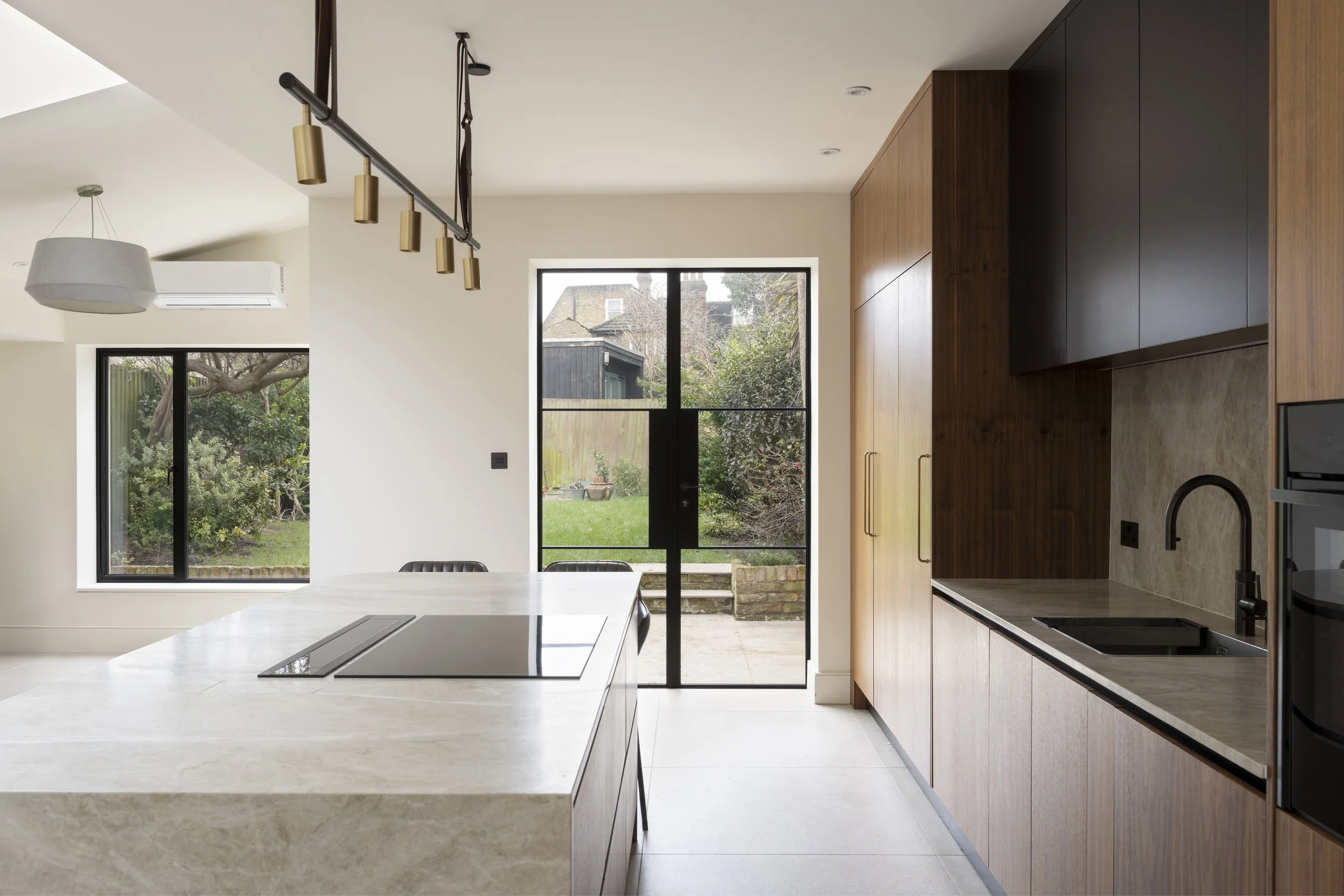
Not every extension automatically feels right just because it’s larger.
What matters more is how the space is put together.
A good layout makes movement feel easy. Even a smaller extension can feel generous if the flow works properly. Light also plays a big role, sometimes more than size itself.
Storage is another quiet factor. Without proper planning, clutter slowly finds its way back in, no matter how new the space is. And in many cases, keeping things simple works better than pushing for maximum size. Overbuilding can sometimes make the space feel less natural, not more useful.
Working With the Right People Changes Everything
Kitchen extensions look straightforward from the outside. But there’s a lot happening behind the scenes; structure, measurements, planning approvals, and making sure everything connects properly with the existing house.
That’s where experience really shows.
Good builders don’t just follow instructions. They help shape decisions when things feel uncertain and flag issues early, before they turn into delays later on. It’s less about construction alone and more about guiding the process in a way that keeps things steady.
Before and After Thinking – What Actually Changes
Most people expect the biggest change to be visual. But it’s not really about that.
The real difference is in how you move through the space every day. Before, you adjust yourself to the kitchen. After, the kitchen fits into how you live.
Less hesitation, less shifting around, but more ease in small everyday tasks that used to feel slightly frustrating. And eventually, the old version of the space stops coming to mind at all.
Final Thoughts
A small kitchen doesn’t have to stay limited. With the right approach, it can turn into a space that feels easier, more open, and more natural to live in every day.
It’s rarely about making something dramatic. It’s about improving how the space actually works for real life; the daily cooking, the small routines, the in-between moments. When planned properly, even a modest extension can completely change how a home feels to use.
Mac Building Solutions works with homeowners across the UK on kitchen extensions and home improvements, helping turn practical ideas into well-built spaces that genuinely make everyday living easier.