

How Do You Know If Your Loft Can Be Converted?
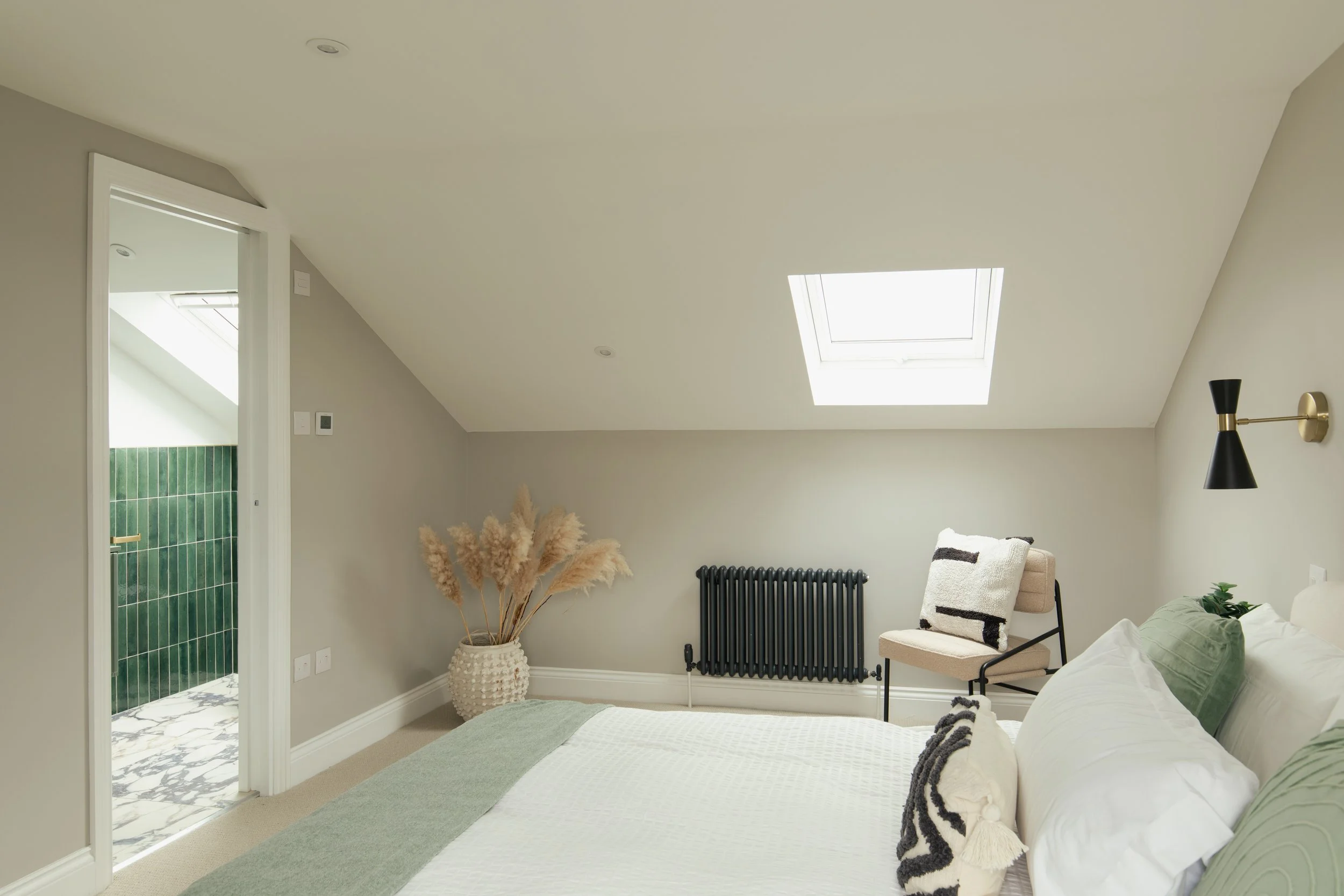
A loft conversion is not decided by what the space looks like. It’s decided by structure, height, and how the space can realistically be used.
Most homeowners reach a point where they start asking a very practical question: can my loft be converted in the UK. The answer is not always immediate—it depends on a few clear checks that determine whether the space is suitable for conversion.
1. Can You Stand Comfortably in the Loft?
The first and most practical check is head height.
If you cannot stand upright in most parts of the loft without bending, the space will likely need structural changes before it can be converted.
In real projects, this usually means:
The roof height is too low for direct conversion
A dormer or roof alteration may be required
Usable floor area will depend on where full height is available
If you already have good standing height across a reasonable area, the conversion becomes more straightforward.
2. What Type of Roof Structure Does Your House Have?
Roof structure is one of the biggest deciding factors.
In most UK homes, there are two common types:
Rafter and purlin roofs (older homes)
Trussed roofs (newer builds)
From a practical build point of view:
Older roof structures often allow more flexible conversion
Trussed roofs usually need structural redesign before usable space is created
This does not make conversion impossible—it just affects how much structural work is needed before the space becomes usable.
3. Is There Enough Usable Floor Space?
Floor area alone is not enough—you need usable floor area.
In many lofts, sloping ceilings reduce where furniture can actually go.
A simple way to assess this:
Imagine where a bed, desk, or storage would realistically fit
Check how much of the floor has usable standing height above it
If most of the floor feels restrictive, the design will likely need dormers or layout adjustments to improve functionality.
4. Where Will the Staircase Go?
Access is often one of the most overlooked parts of a loft conversion.
A loft can only be converted if a staircase can be added in a practical position.
In real homes, this depends on:
Available landing space below
Head height on the staircase route
Whether the staircase disrupts existing rooms
If there is no suitable place for stairs, the loft may still be possible—but layout changes below the loft will be required.
5. Can the Structure Support a Liveable Room?
A loft designed for storage is not automatically suitable for living space.
Before conversion, the structure must support:
Floor strengthening for daily use
Insulation requirements
Load-bearing adjustments where needed
In many cases, this is standard work during a conversion, but older homes may need more preparation depending on existing conditions.
6. What Will Actually Change After Conversion?
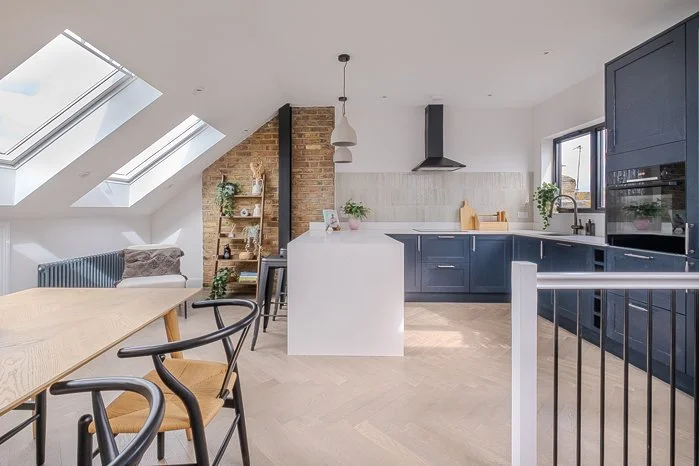
A loft conversion is not just about adding a room—it changes how the house functions.
In most completed projects, the key improvements are:
Better use of unused roof space
Additional bedroom, office, or functional area
Increased natural light through roof windows or dormers
Improved overall property value
But the final outcome depends heavily on early decisions about structure and layout—not just finishing design.
7. When Is a Loft NOT Straightforward?
A loft usually needs more planning if:
The roof height is too low across most of the space
The roof structure requires major alteration
Staircase placement is highly restricted
The usable floor area is too limited even after adjustments
This does not always stop a conversion, but it does affect cost, design approach, and complexity.
8. The Most Practical First Step
Instead of guessing whether a loft can be converted, the most reliable step is a feasibility check based on:
Internal head height
Roof structure type
Staircase options
Usable floor area
These four factors give a clear answer before any design or planning work begins.
Final Thoughts
A loft conversion is not based on assumptions—it is based on structure and practicality.
If you are wondering can my loft be converted in the UK, the answer will always come down to how the space performs against a few key physical checks.
Some lofts are ready with minimal work. Others require more structural planning before they can be turned into usable rooms.
Mac Building Solutions helps homeowners across the UK assess loft spaces properly and understand what is realistically possible before starting any design or construction work.