

How to Plan a Property Refurbishment Without the Stress
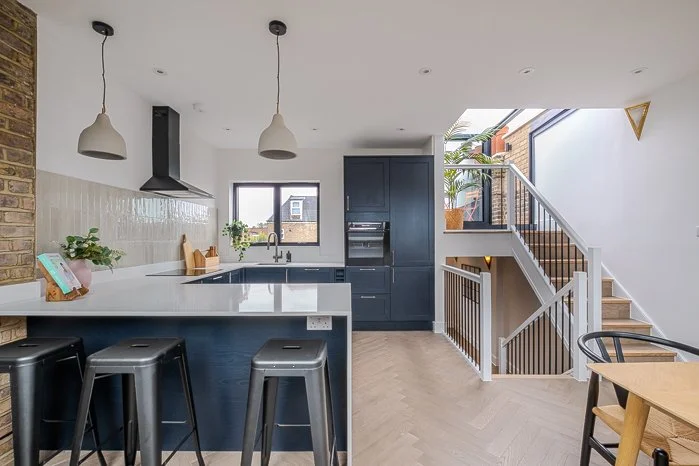
Taking on a property refurbishment is one of the most rewarding things a homeowner can do. But it can also feel overwhelming before you even get started. Between managing tradespeople, setting a realistic budget, and dealing with the unexpected, it is easy to see why so many projects run into difficulty.
The good news is that most of the stress comes from poor planning, not from the work itself. When the right preparation is in place before any work begins, refurbishment projects run more smoothly, stay closer to budget, and deliver far better results.
This guide is written for the homeowners who want to take a structured, practical approach to property refurbishment planning in the UK. Whether you are updating a tired family home, preparing a buy-to-let for new tenants, or improving a property before selling, the same planning principles apply.
Read Blog Summary
Start With a Clear Scope Before You Do Anything Else
The biggest cause of cost overruns and delays in any home refurbishment project is a poorly defined scope. If you are not clear on exactly what work is being done, your contractors cannot price it accurately, and your budget will drift from the first week.
Before you speak to a single tradesperson, write down every element of the project you want completed. Be specific. 'Refurbish the kitchen' is not a scope. 'Strip out existing kitchen, replace all units, install new worktop, retile splashback, fit new sink and taps, redecorate' is a scope.
A clear written scope does three things for you:
It produces like-for-like quotes. When every contractor quotes from the same document, you can compare prices properly rather than guessing why one quote is cheaper than another.
It protects you legally. A signed scope of works forms the basis of your contract with your builder. If extra work is requested later, it is identifiable as a change and can be priced accordingly.
It keeps the project on track. A clear scope gives both you and your contractor a shared reference point throughout the build.
Set a Realistic Budget: Including the Parts People Forget
Budgeting for a property refurbishment in the UK requires more than adding up quotes. Many homeowners budget for the visible work and then get caught out by the costs that sit around it.
When building your budget, include all of the following:
Construction costs: The quotes from your contractors for the physical work.
Professional fees: Architect, structural engineer, or interior designer fees, typically 10 to 15% of construction cost on projects that require them.
Planning and Building Regulations fees: A householder planning application costs £258 in England from April 2025. Building Control fees typically run £700 to £1,500 depending on the project.
Materials allowance: Some contractors quote labour only. Make sure you know who is supplying materials and at what cost.
Temporary accommodation: If the refurbishment makes part of the property uninhabitable, factor in where you will live during the works.
Contingency: A minimum of 10 to 15% on any project involving an existing property. For older homes, 20% is more realistic. Older properties almost always reveal something unexpected once work begins.
Understand What Needs Planning Permission or Building Regulations Approval
Not every refurbishment requires planning permission, but many require Building Regulations approval, and confusing the two is a common mistake.
When Planning Permission Is Required
Internal refurbishment work, such as replastering, rewiring, installing a new kitchen or bathroom, or redecorating, does not usually require planning permission. However, planning permission in the UK is required for:
Extensions, loft conversions, or changes to the roof
Alterations to a listed building
Changes to the external appearance of a property in a conservation area
Converting a property into flats or changing its use
If your property falls within a conservation area or is a listed building, speak to your Local Planning Authority (LPA) before starting any work, even internal alterations.
When Building Regulations Approval Is Required
Building Regulations apply to a much wider range of work than planning permission. They cover structural changes, electrical work, gas installations, new bathrooms, extensions, and significant alterations. Key triggers include:
Any structural work, including removing or altering load-bearing walls
New electrical circuits or consumer unit replacement
New boilers, heating systems, or gas appliances
Roof replacements that affect the thermal envelope
Loft conversions and garage conversions
Failing to get Building Regulations sign-off where it is required creates problems when you come to sell the property. Buyers' solicitors will ask for completion certificates, and if they do not exist, the sale can be held up or fall through.
Choose the Right Contractors: Not Just the Cheapest Quote
There is no licensing requirement for builders in the UK. That means the quality of contractors operating in the property renovation market varies enormously, and selecting on price alone carries real risk.
When choosing contractors for your home refurbishment project, look beyond the quote:
Ask for references from recent, comparable projects. A contractor who has done similar work recently will be able to demonstrate it.
Check their trade memberships. Bodies like the Federation of Master Builders (FMB) or TrustMark provide a degree of vetting, though membership is not a guarantee of quality.
Get at least three quotes. Not to find the cheapest, but to understand the market rate and identify any outliers in either direction.
Understand what is in the quote. Does it include materials? VAT? Removal of waste? Decorating? A low quote that excludes half the work is not a bargain.
Check their insurance. Contractors should carry public liability insurance and, if they have employees, employers' liability insurance. Ask to see the certificates.
A 2025 survey by the HomeOwners Alliance and Federation of Master Builders found that 47% of UK adults incorrectly believe builders must be licensed. They do not. This makes your own due diligence more important, not less.
Build a Realistic Programme and Sequence the Work Correctly
One of the most stressful aspects of any property refurbishment is when trades are booked out of sequence, which causes delays, rework, and extra cost. Getting the order of work right is something experienced contractors understand instinctively, but as a homeowner it helps to know the basic logic.
A general sequencing guide for a full house refurbishment:
1. Strip out: Remove everything that is being replaced, including kitchens, bathrooms, floor coverings, and any partitions.
2. Structural work: Any walls being removed, beams being installed, or foundations being altered come before anything else.
3. First fix: Electrical cables, plumbing pipes, and heating pipework are run through the structure before walls are boarded or plastered.
4. Plastering: Once first fix is complete, walls and ceilings are plastered and left to dry fully before the next stage.
5. Second fix: Sockets, switches, radiators, taps, and sanitaryware are fitted once surfaces are ready.
6. Kitchen and bathroom fitting: Units, worktops, tiles, and final sanitary connections.
7. Flooring: Usually last, to protect it from other trades.
8. Decoration: Painting, wallpapering, and finishing touches.
Attempting to shortcut this sequence, for example by fitting a kitchen before plastering is fully dry, creates problems that cost more to fix than the time saved was worth.
Manage the Project Proactively During Construction
Good refurbishment project management does not mean standing over your contractor all day. It means staying informed, communicating clearly, and dealing with issues before they become problems.
A few habits that make a real difference:
Hold a brief weekly progress meeting. Even 20 minutes with your main contractor each week keeps communication open and lets you raise concerns before they escalate.
Keep a written record of decisions. When you agree to a change to the scope or specification, confirm it in writing by email. This protects both parties.
Do not make decisions on the spot. When a contractor asks you to decide something quickly, take the time to think it through. Rushed decisions on materials or layout are a common source of regret.
Process change orders formally. Any variation to the original scope should be agreed in writing with the cost impact stated before work proceeds.
Make sure inspections happen at the right time. For work that requires Building Regulations approval, inspections must take place at specific stages. Covering up structural or electrical work before inspection is a compliance failure that can require expensive remediation.
Common Mistakes To Avoid
After working on numerousproperty refurbishment projects, the same patterns appear repeatedly. Knowing what to watch out for saves time, money, and frustration.
Starting without a complete scope. Vague briefs produce vague quotes and open-ended programmes. Define the full scope before anything else.
Underestimating the contingency. Every project involving an existing property should carry at least 10 to 15% contingency. Older homes often need more.
Booking tradespeople too early or too late. Good tradespeople in the UK are typically booked several weeks out. Start conversations early, but do not commit to fixed start dates until the previous trade is confirmed to be finishing on time.
Choosing finishes before measuring. Ordering tiles, flooring, or kitchen units before accurate measurements are confirmed is a fast route to waste and delay.
Skipping the snagging stage. Before you make the final payment to any contractor, carry out a thorough snagging check and agree a written list of outstanding items to be remedied.
How Long Does a Property Refurbishment Take in the UK?
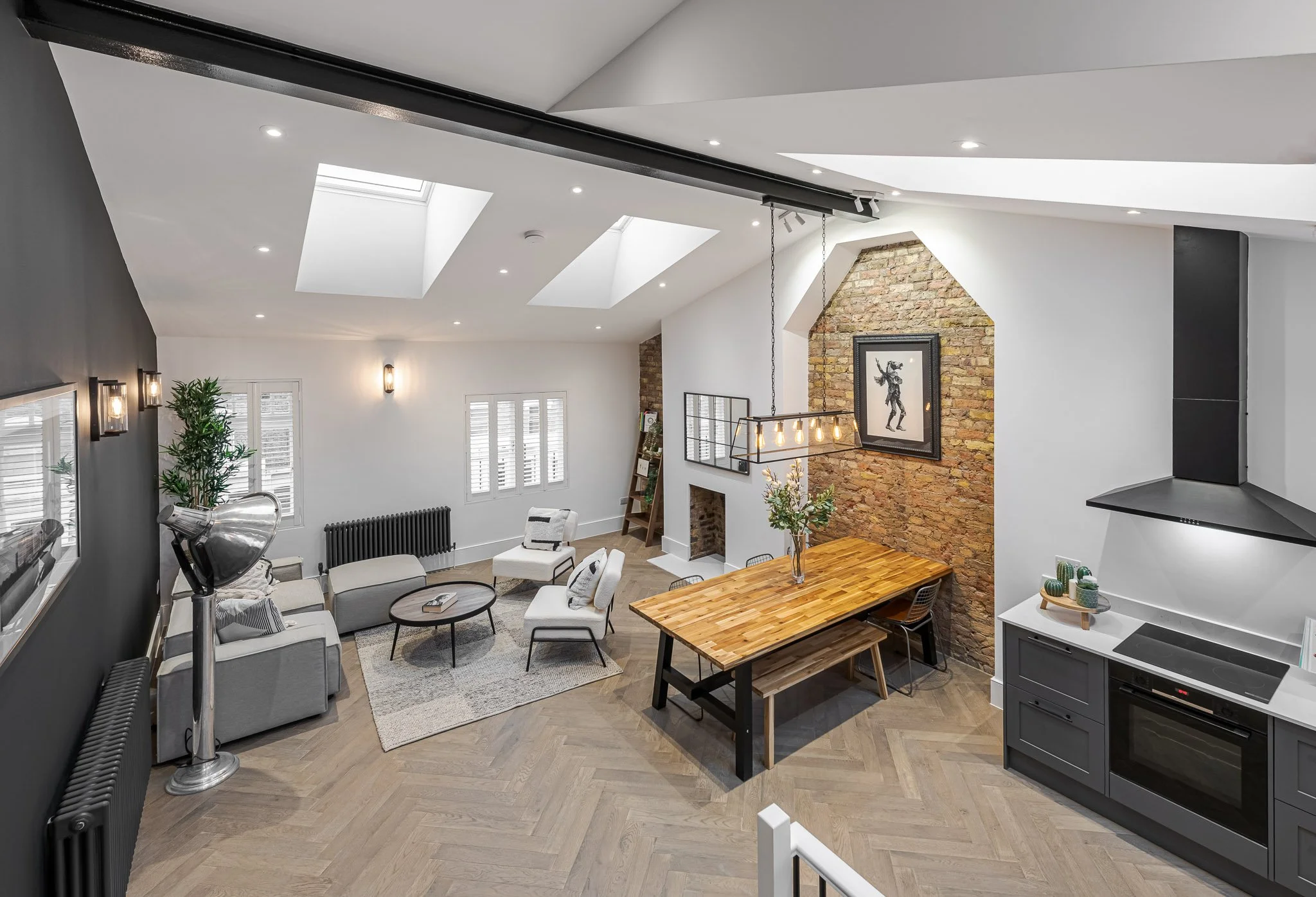
Timeline depends heavily on the scale and complexity of the project. As a realistic guide for property refurbishment timelines in the UK:
Single room refresh (bathroom or kitchen): 2 to 4 weeks for construction, plus lead times for fixtures and materials.
Partial refurbishment (one or two floors, no structural work): 6 to 12 weeks.
Full house refurbishment including structural alterations: 16 to 30 weeks depending on the scale of work and condition of the property.
Pre-construction phase (design, planning, procurement): Add 8 to 20 weeks to the front of any project that requires planning permission or significant design work.
Any contractor who promises a significantly shorter timeline than the above without a clear explanation of how they will achieve it should be questioned carefully. Compressed programmes often result in poor quality workmanship or trades working simultaneously in ways that cause rework.
Is It Worth Using a Project Manager or Main Contractor?
For smaller refurbishments, many homeowners manage the project themselves by coordinating individual trades. This can work well when the scope is simple and you have time to stay on top of it.
For larger or more complex property refurbishment projects in the UK, appointing a main contractor who takes responsibility for the full programme is often worth the additional cost. A good main contractor:
Takes responsibility for sequencing and coordinating all trades
Manages the site and resolves day-to-day issues without escalating every decision to you
Carries the contractual risk for delays caused by their programme
Provides a single point of accountability if problems arise with the finished work
The premium for using a main contractor rather than managing trades directly is typically 10 to 20% of the construction cost. On a complex project, this is usually money well spent in terms of reduced stress and more predictable outcomes.
Plan Well, Build Once
A property refurbishment does not have to be stressful. The projects that run smoothly are almost always the ones that were planned carefully before anyone lifted a tool. Clear scope, realistic budget, properly sequenced trades, and proactive communication are the foundations of every successful refurbishment.
If you are approaching a property refurbishment in the UK and want a frank assessment of what your project realistically involves, including costs, programme, and any structural or regulatory issues, speaking to an experienced building contractor at the earliest stage is the most valuable thing you can do.
Mac Building Solutions works with homeowners across the UK on refurbishment projects from initial feasibility through to final snagging. Get in touch for an honest conversation about your project before you commit to anything.