

Basement Extension London: Costs, Planning Permission and Design Guide
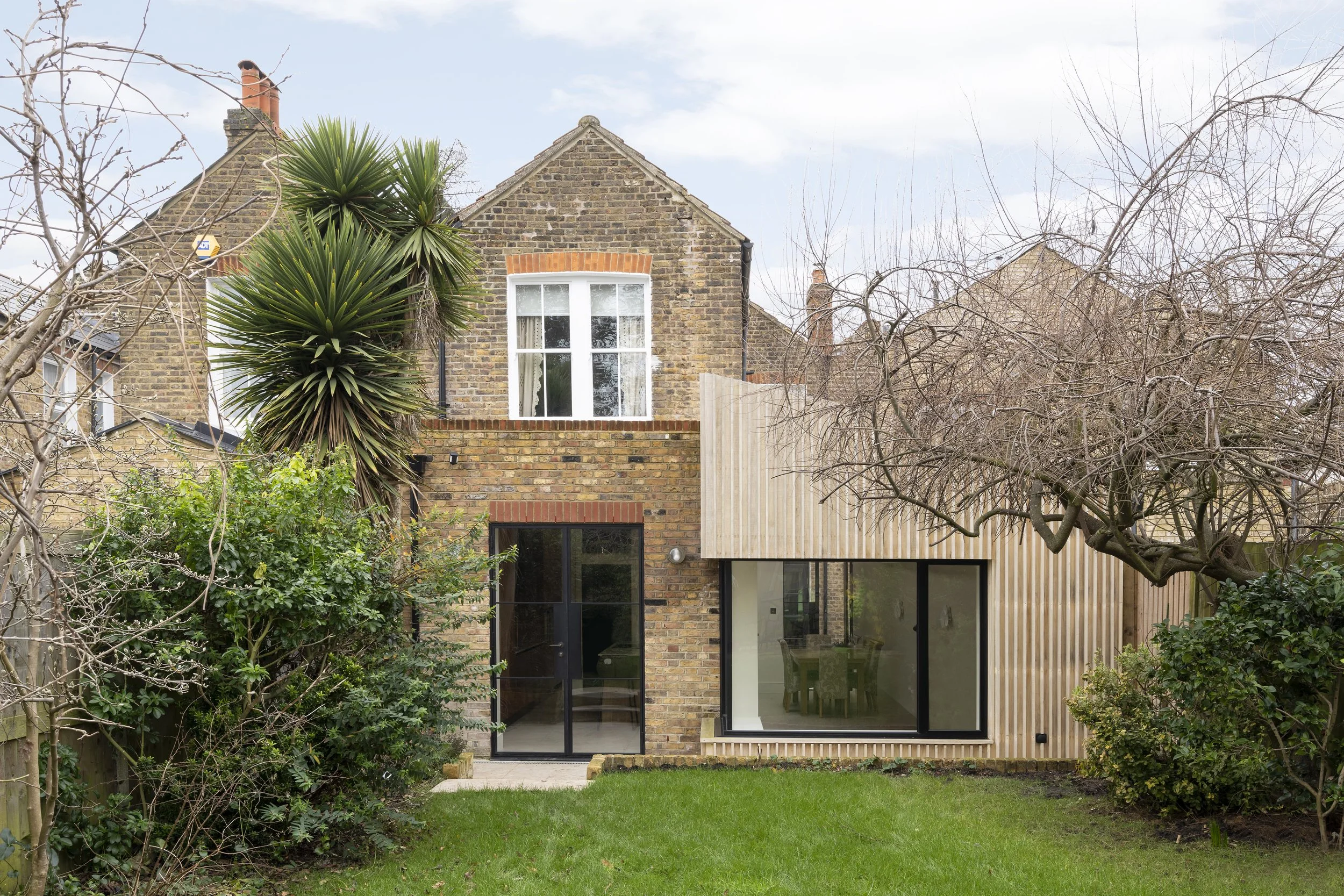
A basement extension in London is one of the most valuable ways to add space to your home, especially when building outward or upward isn't possible. With London's dense housing stock and strict planning rules, basement conversion in London has become increasingly popular.
But it's also one of the most complex and expensive types of home extension you can undertake. Before committing to the idea, you need to understand the real costs involved, what planning permission you'll need, and what design decisions will make or break the project.
This guide is written for London homeowners who are serious about the process, not looking for vague estimates, but practical, honest information about how basement projects actually work in 2026.
How Much Does a Basement Extension Cost in London?
The basement extension London cost is significantly higher than most other types of extension. This is because the work involves complex engineering, specialist contractors, and a much longer programme than a standard rear extension.
Cost Per Square Metre in 2026
Here are the realistic 2026 benchmarks for London basement extensions:
Basic shell-only basement (underpinning, waterproofing, structure): £3,000 – £4,000 per m²
Mid-range specification (finished space, lighting, basic fit-out): £4,000 – £5,500 per m²
High-end specification (cinema room, gym, full bathroom, bespoke finishes): £5,500 – £8,000+ per m²
A typical 30m² basement in London will therefore cost £90,000 to £165,000 just for construction before professional fees, VAT, or fit-out.
What the Per-Square-Metre Rate Does Not Cover
The headline rate rarely tells the full story. The following costs are typically priced separately:
Structural engineer and architect fees: 12–18% of construction cost
Party Wall Act surveyor fees: £1,500 – £3,000+ per neighbouring property
Planning application fee: £258 for a householder application in England (from April 2025)
Building Control fees: £1,000 – £2,500 depending on project value
Waterproofing system (Type A, B or C): £5,000 – £15,000 depending on method
Mechanical ventilation and drainage: £3,000 – £8,000
Contingency: minimum 15–20% for any basement project
A fully delivered 30m² basement in London including all fees, VAT, fit-out, and contingency will typically land between £150,000 and £250,000. Projects in more complex ground conditions or on constrained sites can exceed this significantly.
Planning Permission for a Basement Extension in London
Planning requirements for basement extensions in London vary by borough, property type, and what you're proposing. Getting this wrong at the start can cost months and thousands of pounds.
Do You Need Planning Permission?
In most cases, yes. Unlike a simple rear extension, a basement rarely falls within permitted development rights. Here's how it breaks down:
Converting an existing cellar into habitable space: Usually permitted development, subject to conditions. No planning permission needed in most cases, but Building Regulations approval is always required.
Excavating a new basement where none exists: Almost always requires full planning permission. This is considered a change of the building's volume and footprint underground.
Extending an existing basement laterally: Planning permission required in most London boroughs.
Always verify with your Local Planning Authority (LPA) before proceeding. A Lawful Development Certificate (£206 in England from April 2025) provides legal confirmation that your proposed works don't need planning permission and is strongly recommended before any work starts.
Conservation Areas and Listed Buildings
A large proportion of London's housing stock sits in conservation areas. If your property is in a conservation area or is a listed building, the requirements are even stricter:
Full householder planning application required for all basement works
Listed Building Consent required in addition to planning permission
Design must preserve the character and appearance of the building
Some London boroughs (including Kensington & Chelsea and Westminster) have specific basement development policies that impose additional restrictions on depth and footprint
Many London boroughs also have Article 4 Directions that remove permitted development rights across entire streets or estates. Check this before assuming any prior approval route is available to you.
The Party Wall Act: A Critical Step You Cannot Skip
Basement excavation almost always triggers the Party Wall etc. Act 1996. Because basement work involves digging within 3 metres of a neighbouring property or within 6 metres where new foundations cut below the 45-degree line from a neighbour's foundations, you are legally required to serve Party Wall Notices before work begins.
Minimum notice periods are one month for party wall works and two months for new building on the boundary. If a neighbour dissents, a Party Wall Award must be agreed before construction can start.
In a London terrace or semi-detached property, you may need to serve notices on two or more neighbours simultaneously. Starting work without Party Wall Act compliance can result in a court injunction halting your project entirely and legal costs that dwarf what compliance would have cost upfront.
Structural and Ground Considerations
Basement construction in London involves some of the most demanding structural engineering in residential work. The ground conditions, water table, and proximity to neighbouring buildings all influence how the project is designed and built.
London's Ground Conditions
Much of London sits on London Clay: a shrink-swell clay soil that is particularly sensitive to changes in moisture and nearby tree roots. On clay sites, underpinning depths and lateral earth retention requirements can be significantly more demanding than on stable ground.
Ground investigation report: Essential before any design work. Typically costs £1,500 – £3,000 and reveals soil type, groundwater level, and existing foundation depth.
Underpinning method: Traditional mass concrete underpinning, mini-piles, or contiguous piled walls each has different cost and programme implications. A structural engineer must determine which is appropriate for your site.
High water table: Parts of London have a high groundwater table, which significantly increases waterproofing requirements and construction complexity.
Getting a structural engineer involved at the feasibility stage, before detailed architectural drawings are produced avoids the expensive situation of designing a scheme that cannot be built within budget given the site conditions.
Basement Design: Making It a Space You'll Actually Use
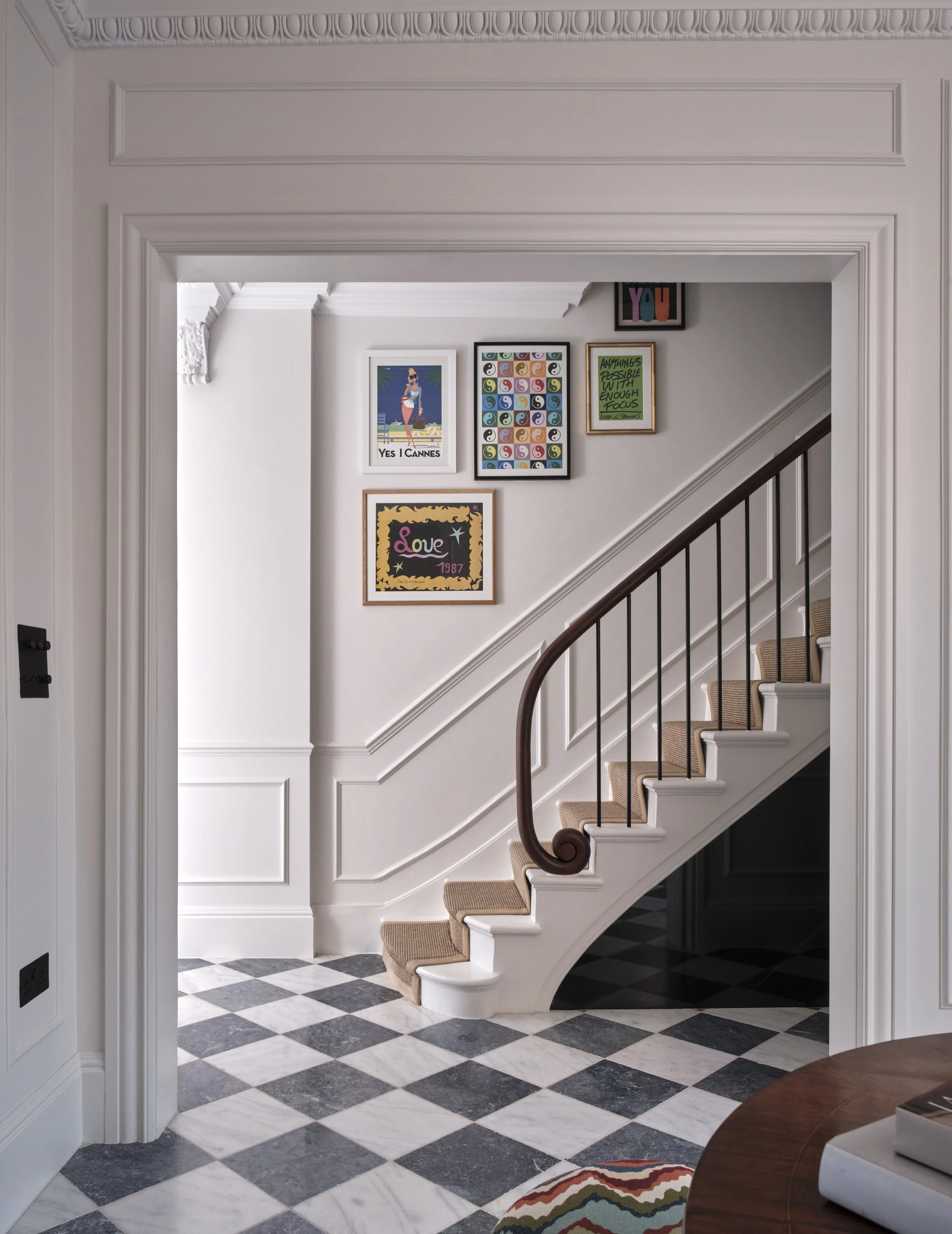
Basement spaces can feel dark, damp, and confined or they can feel bright, comfortable, and seamlessly integrated with the rest of the home. The difference lies almost entirely in design decisions made early in the process.
Natural Light and Ventilation
Lack of natural light is the most common complaint about basement spaces. Good design addresses this directly:
Light wells: An excavated area outside a basement window dramatically increases daylight. A well-designed light well can make a basement feel like a ground-floor room.
Glazed floors above: Structural glass floors at ground level allow daylight to filter down into the basement, popular in London townhouses.
Mechanical ventilation: Required under Part F of Building Regulations for all habitable basement rooms. A well-specified MVHR (Mechanical Ventilation with Heat Recovery) system also improves air quality and thermal efficiency.
Waterproofing: The Non-Negotiable Element
A basement that leaks is worse than no basement at all. BS 8102:2022 sets out three types of waterproofing protection:
Type A (barrier protection): Applied membranes on the outside or inside of the structure. Effective but dependent on perfect application.
Type B (structurally integral): Waterproof concrete. The structure itself resists water ingress.
Type C (drained cavity): Water that enters the structure is managed and drained away via a cavity drain membrane and sump pump. Considered the most reliable method in London conditions.
Most London basement specialists now recommend a combined Type B and Type C approach, waterproof concrete construction with a cavity drain system as a backup. This dual redundancy approach provides the greatest long-term reliability.
Building Regulations for Basement Extensions
Building Regulations approval is required for all basement works. The key parts that apply are:
Part A (Structural Safety): All underpinning, retaining walls, and structural design must be produced by a chartered structural engineer and approved by Building Control.
Part C (Site Preparation and Resistance to Moisture): Specifies the waterproofing grade required depending on the intended use of the basement space.
Part F (Ventilation): Mechanical ventilation must be designed and certified for all habitable basement rooms.
Part L (Energy Efficiency): Insulation standards must meet minimum U-values: walls 0.28 W/m²K, floors 0.22 W/m²K.
Part B (Fire Safety): Basement rooms used as habitable space must have adequate means of escape in case of fire. A window or door that opens directly to a light well at ground level typically satisfies this requirement.
Building Control will carry out inspections at multiple stages, before concrete is poured, after waterproofing is applied, and at the structural stage. Missing an inspection is a serious compliance failure.
Realistic Timeline for a London Basement Extension
Basement projects take significantly longer than standard extensions. A realistic programme looks like this:
Ground investigation and feasibility: 3 – 5 weeks
Design and drawing preparation: 6 – 10 weeks
Party Wall notices and Award (if required): 2 – 4 months
Planning application (if required): 8 – 13 weeks from validation to decision
Construction: 16 – 30 weeks depending on size, depth, and ground conditions
End-to-end, homeowners should plan for 12 to 18 months from first meeting to completion on a typical London basement project. Anyone promising a shorter timeline should be pressed on how they intend to achieve it.
Is a Basement Extension Worth It in London?
For many London homeowners, the answer is yes particularly in areas where the cost of moving to a larger property significantly exceeds the cost of creating new space. A well-executed basement extension in prime London postcodes can add £150,000 to £300,000+ in value to a property, depending on location and specification.
But this value uplift is contingent on doing it properly. A poorly waterproofed, poorly ventilated, or poorly finished basement or one that runs into structural problems mid-construction, can erode value rather than create it. The contractor you choose and the pre-construction work done before breaking ground matter enormously.
The most important thing any London homeowner can do before committing to a basement extension is get a frank feasibility assessment from a builder with relevant experience one who will tell you not just what's possible, but what's realistic for your specific site, budget, and timeline.
Talk to MAC Building Solutions Before You Commit
MAC Building Solutions works with London homeowners on basement extension projects from early feasibility through to completion. As basement conversion specialists, we'll give you a clear picture of what your project involves structurally, legally, and financially before you've spent anything on design or construction.
If you're considering a basement extension and want honest, experienced advice, get in touch at macbuildingsolutions.com.